Introduction to the monetary valuation of ecosystem services and ecosystem assets, 06 October to 07 November 2025
This e-learning course introduces the concepts and methods for valuing ecosystem services and ecosystem assets as specified in the System of Environmental-Economic Accounting for Ecosystems (SEEA EA). The SEEA EA provides an integrated statistical framework for systematising ecosystem information, measuring ecosystem services, tracking changes in ecosystem extent and condition, and linking this information to indicators of economic and human activity. It supports the development of indicators for multiple global policy frameworks, including the 2030 Agenda for Sustainable Development and related Sustainable Development Goals (SDGs) indicators, and the Kunming-Montreal Global Biodiversity Framework (GBF) monitoring system. A total of 384 participants attended the training programme. ...here
|
|
|
Subregional Training on preparations for 2030 population and housing census, 13 to 17 October 2025
The population and housing census is the most comprehensive source of data on the counts and characteristics of a country's population, forming the foundation of national statistical systems. Censuses provide essential social, economic, and demographic information, serving as baseline evidence for planning, developing, implementing, and monitoring policies across various sectors and diverse user needs, including research. They are also a critical source of population data for numerous Sustainable Development Goal (SDG) indicators, aiding in the monitoring of national progress towards achieving related targets....here
|
|
|
Training on Big Data and Data Science for Gender Statistics in Asia and the Pacific, Bangkok, Thailand, 27 to 30 October 2025
Closing gender data gaps is essential for achieving the Sustainable Development Goals (SDGs). Gender statistics are critical for understanding the distinct realities of women and men, girls and boys, and for informing policies aimed at addressing inequalities, but data and information gaps are often impediments to achieving this. While efforts to enhance gender data production have advanced, significant gaps still remain.
The intersection of big data, data science, and gender statistics holds immense potential to address persistent gender data gaps by leveraging advancements in technology. With the rise of digital data sources such as social media....here
|
|
|
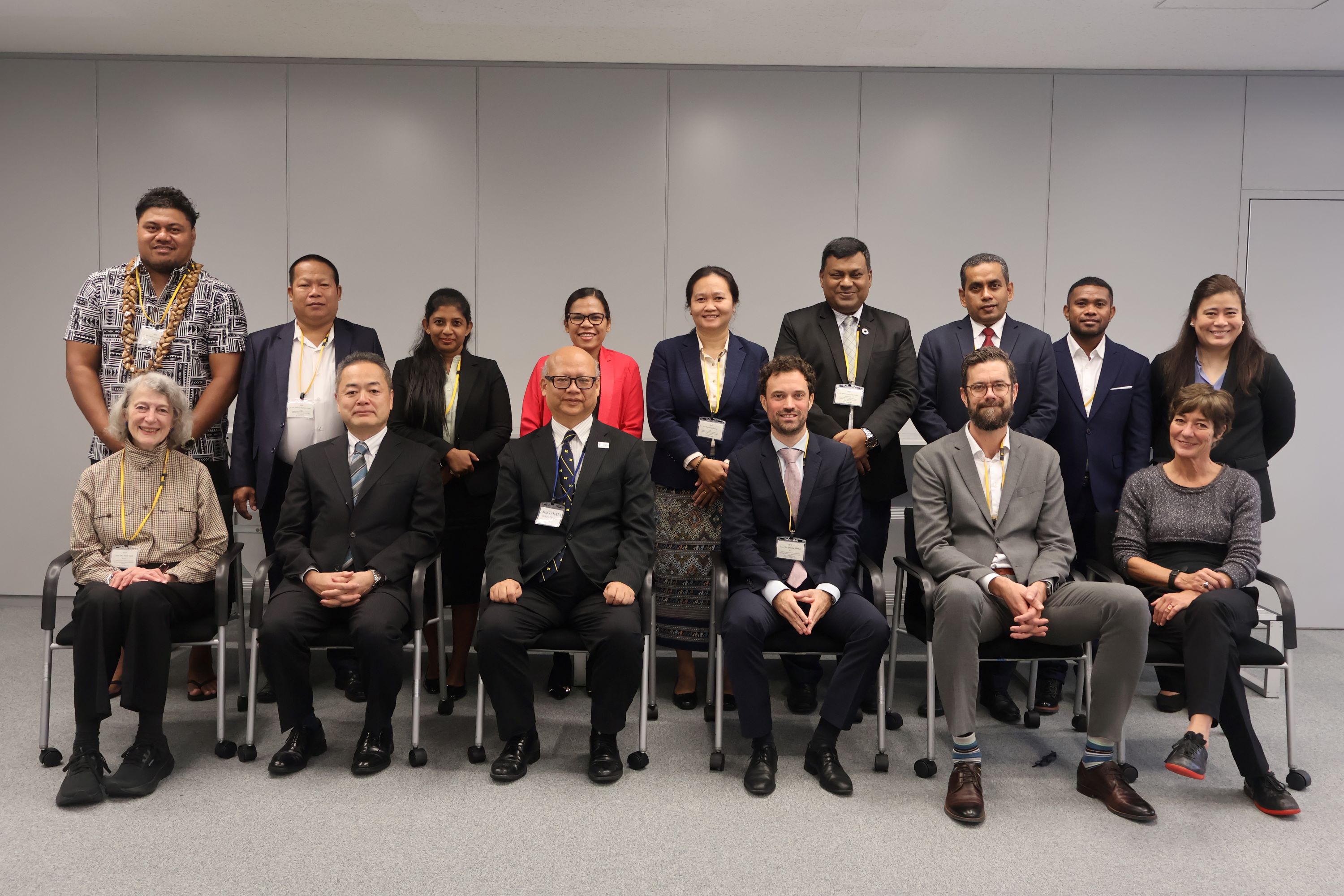
Regional Course on Statistics on Informality: Definitions, Measurement, SDGs and Other Policy Indicators, Chiba, Japan, 27 to 31 October 2025
The causes and consequences of informal employment and employment in informal sector and their impact on achieving sustainable development continues to gain attention in national development agendas. The evidence in developing and emerging economies shows that on average the proportions of people in informal employment ranges from close to two thirds in emerging economies to nearly 90% in low-income countries. Therefore, every national policy targeting poverty, social protection, or decent work needs to recognise the role of the informal economy in national development. Yet, the lack of data and statistics on the informal economy hinders the capacity of countries to better inform decisions and development policies....here
|
|
|
Regional Workshop on Disaster Related Statistics, Daejeon, Republic of Korea 27 to 31 October 2025
Disasters continue to have an ever-increasing impact on life, well-being and sustainable development. Given these impacts, there is high demand at the local, national and international levels for quality, integrated statistics to inform all phases of the disaster risk management cycle. Disaster related statistics are not only relevant to those working to prepare and respond to disasters but also to the public at large, research institutions and policy analysts at the local and national levels.....here
|
|
|
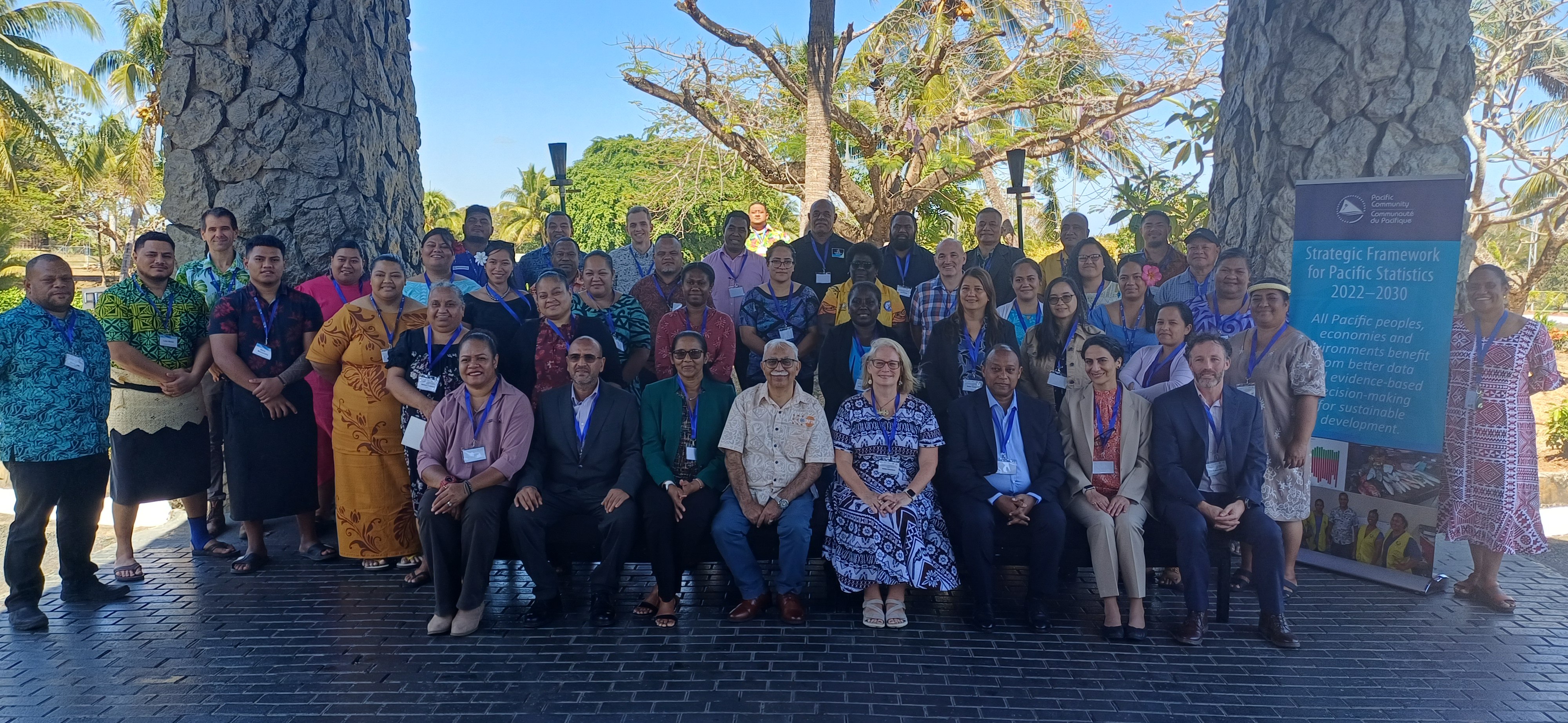
Regional Training Course On The National Strategy For The Development Of Statistics (NSDS), 18 to 20 November 2025
The National Strategies for the Development of Statistics (NSDSs) provide a comprehensive framework through which countries can identify, prioritise, and enhance targeted capabilities at individual, organisational, and system levels for effective, efficient, and inclusive production of official statistics. The Partnership in Statistics for Development in the 21st Century (PARIS21), in collaboration with the Statistical Institute for Asia and the Pacific (SIAP), developed a unique training course for NSSs, NSO leaders, and national planning senior managers to improve strategic planning for data and statistics development, as well as to adopt innovative tools and methods. This course will provide an overview of the NSDS Guidelines and the need for countries to design effective NSDSs. In addition, the course will feature special topics on Voluntary National Reviews, climate change data, Transformation and Modernisation (T&M) Enablers, with a hint on NSO Artificial Intelligence (AI) Readiness, as well as communications around NSDSs......here
|
|
|
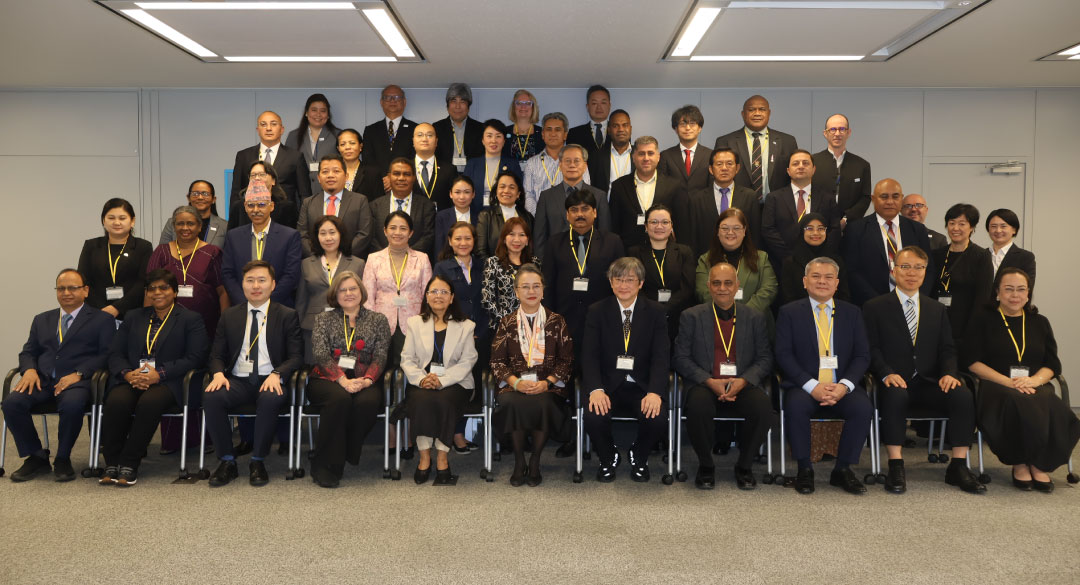
Twenty-first session of the Governing Council and Associated Events, Chiba and Tokyo, 01 to 04 December 2025 The Council deliberated on several agenda items at this meeting, including the Director's report on the Institute's achievements for 2025 and the draft business plan for 2026. The Management Seminar hosted by SIAP was designed to strengthen the leadership and management capabilities of National Statistical Office (NSO) heads, providing a platform for discussion, exchange of views, and sharing of experiences. This year's theme centred on “User Engagement”, with the seminar serving as a forum for participants to share their experiences in the area of collaboration with data users and relevant stakeholders....here |
|
|
Upcoming and Ongoing Events |
|
|
|
e-Learning: Energy statistics and balances, 19 January to 06 March 2026
Energy is fundamental for socio-economic development. The availability of and access to energy is particularly essential to poverty reduction and further improvements in standards of living. However, with the constantly increasing demand for energy, there are growing concerns about the sustainability and reliability of current production and consumption patterns and the impact of the use of fossil fuels on the environment. Under these circumstances, the reliable and timely monitoring of the supply and use of energy becomes indispensable for sound decision making. Such monitoring is only possible with high quality energy statistics that are systematically compiled and effectively disseminated. This is recognized by the international community with the inclusion in the Sustainable Development Goal (SDG) of a dedicated goal on energy (SDG 7)...here
|
|
|
e-Learning: Increasing engagament around data and statistics, 9 February to 13 March 2026.
Identifying and responding to the needs of users for data and statistics is at the heart of the mission of National Statistical Offices (NSOs) and national statistical systems. NSOs already undertake many activities interacting with different users such as preparing press releases to aid journalists and communicate with the public at large and organizing launch events/workshops to disseminate important results from surveys and censuses. In general, the NSO interacts with users towards...here
|
|
|
Digitalization in the 2025 System of National Accounts, 17 March to 07 April 2026
This webinar series builds on outreach missions of the Intersecretariat Working Group on National Accounts and Advisory Expert Group members and regional commissions to increase awareness on the developments in the 2025 SNA. This activity is a collaboration among the Economic and Social Commission for Asia and the Pacific, through the Statistics Division and Statistical Institute for Asia and the Pacific (SIAP), the Statistics Division of the ASEAN Secretariat, UN Statistics Division, and the Statistics Department of the International Monetary Fund. It aims to contribute to advancing regional dialogue on the complexities of measurement of digitalization and better understanding of methodological approaches.....here
|
|
|
SIAP E-learning System
SIAP offers a range of e-learning courses across the domains of social, environment and economic statistics; data science; and statistical principles and methodologies. These courses are facilitated and supported by an expert in the field to the participants through regular communication in discussion box and through webinar(s) during the period of course delivery. A certificate is issued to successful participants completing the course after passing the prescribed examination.
|
|
|
|
|