e-Learning : Compiling climate change indicators: an accounting approach, 15 June to 17 July 2026
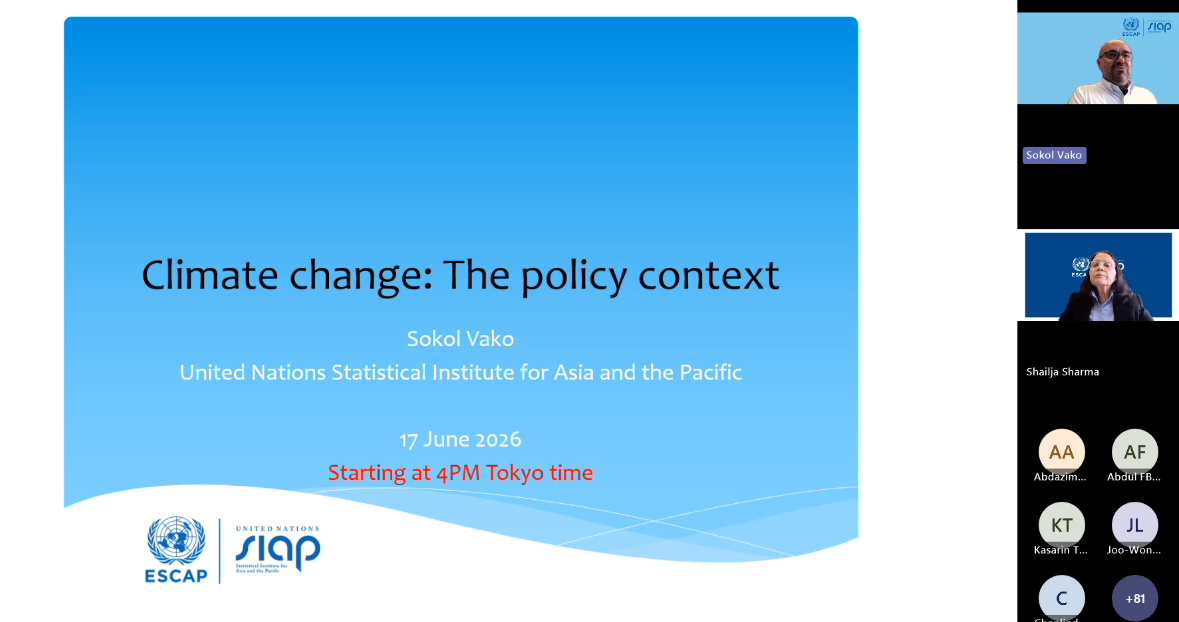
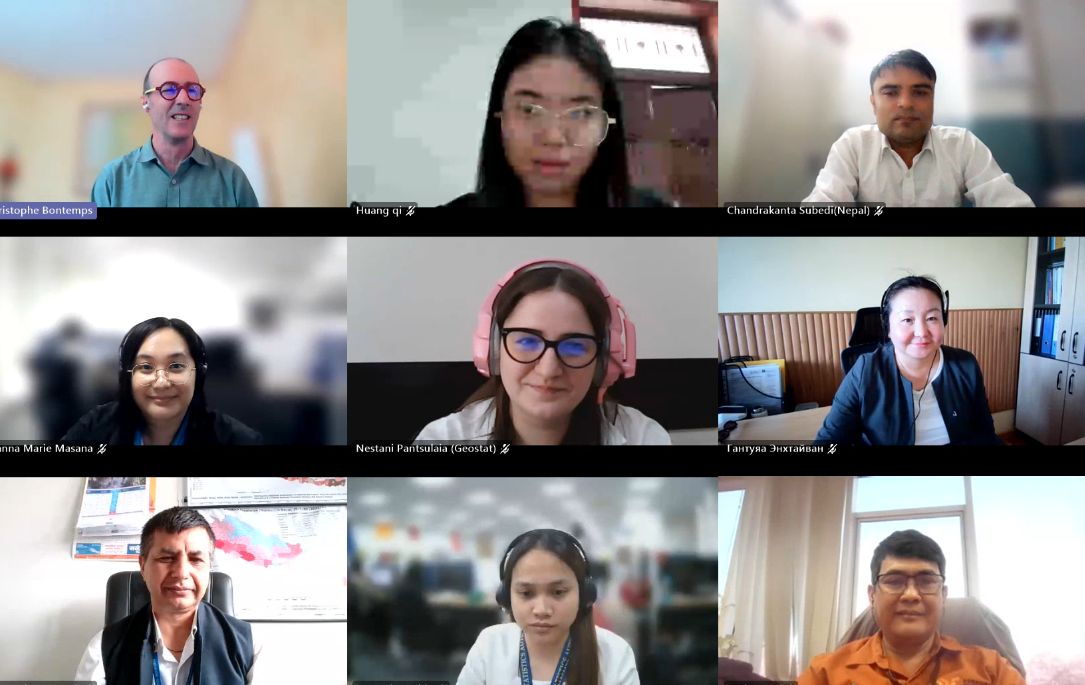
SIAP conducted an e-learning course to demonstrate how climate change indicators are derived from physical supply and use tables for energy, air emissions, and other accounts. It was also illustrated how transaction accounts are used to derive expenditure type indicators, such as those on taxes on energy and pollution. The training course came to a successful close, with 459 participants from 34 countries and SPC completing the course.
|
|
|
Regional Training Course on Poverty Measurement and Statistics (SDG 1.2), 24 to 28 August 2026, Daejeon, Republic of Korea
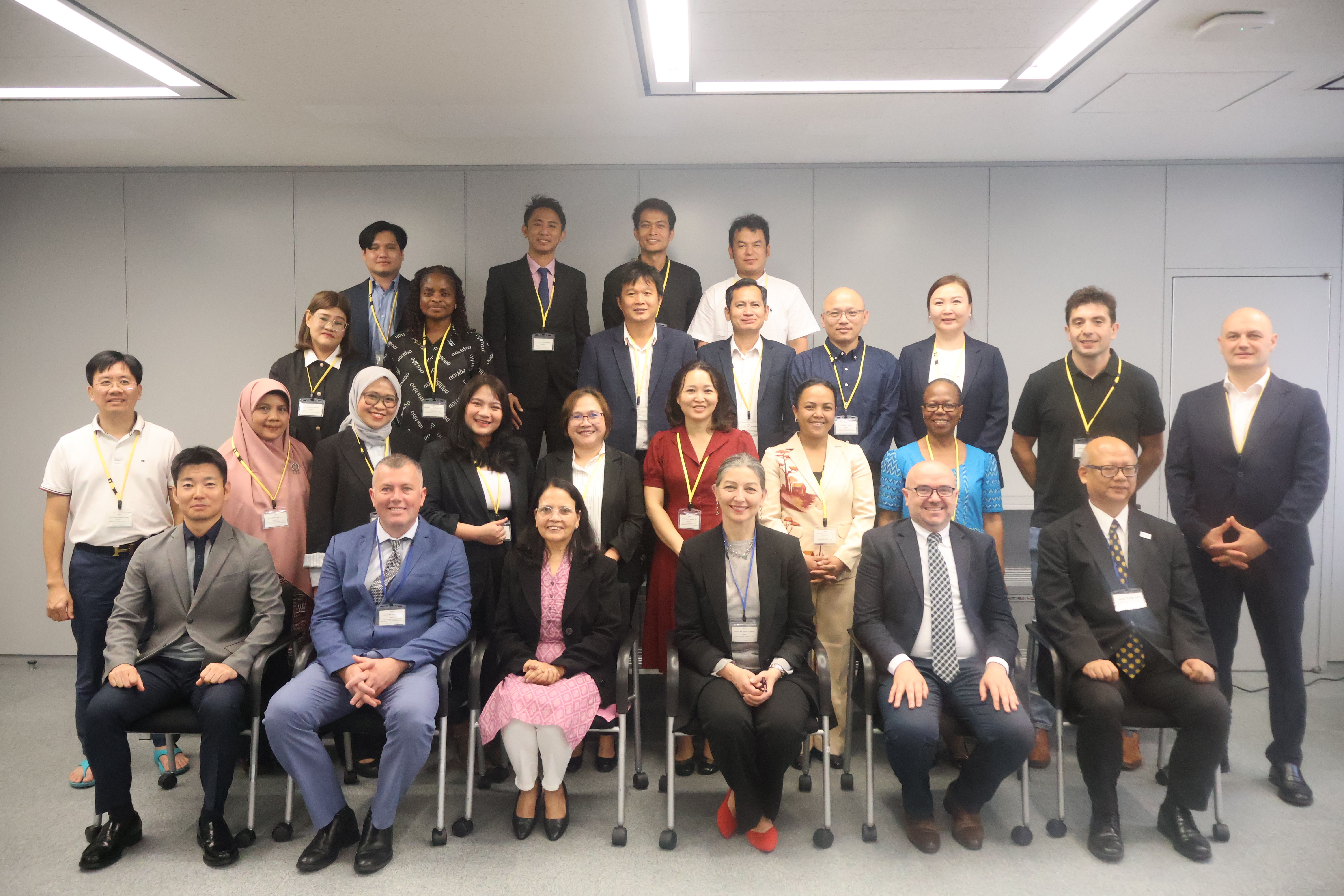
This regional course strengthened the technical capacity of countries in key aspects of poverty measurement aligned with international standards and is expected to contribute to improvements in the quality, comparability, and policy relevance of poverty estimates across the region. It brought together 18 statisticians and data analysts working on household surveys, poverty measurement, and SDG reporting. It was jointly organized by SIAP and the Ministry of Data and Statistics (MODS) and facilitated by the World Bank – custodians of SDG 1.
|
|
|
Regional Workshop on Measuring Natural Resources in the National Accounts, 01 to 04 September 2026, Chiba, Japan
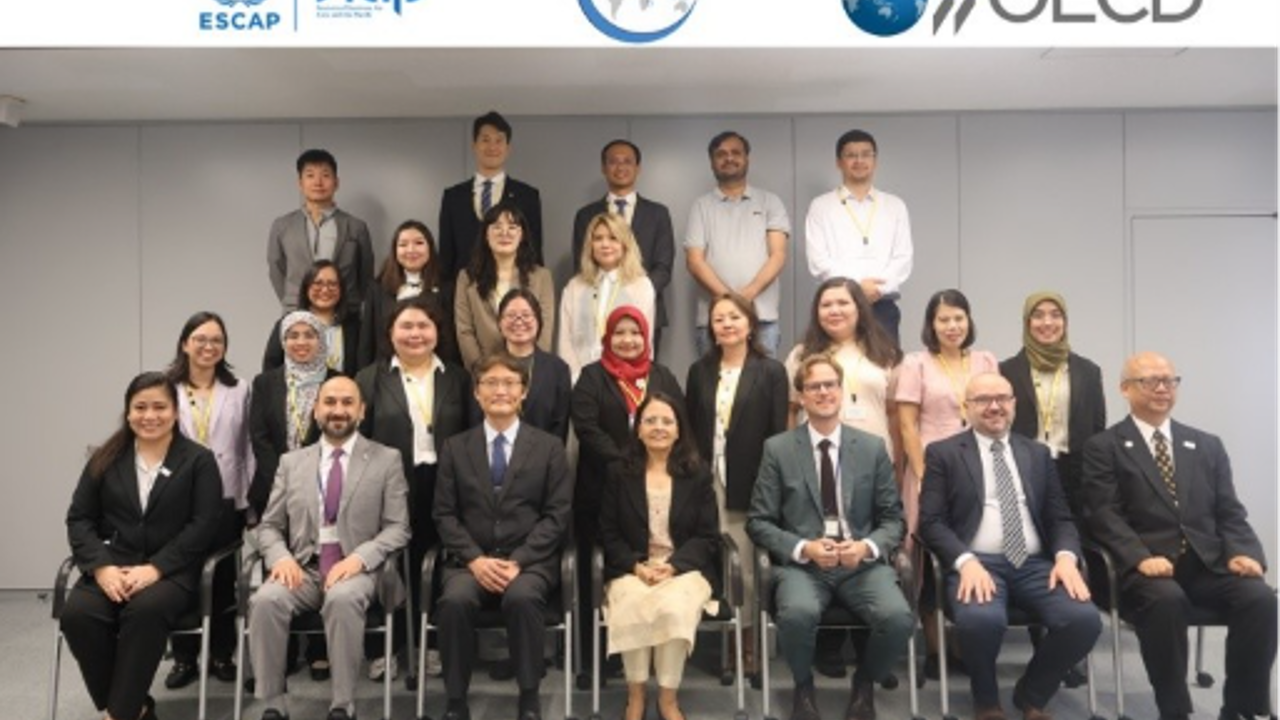
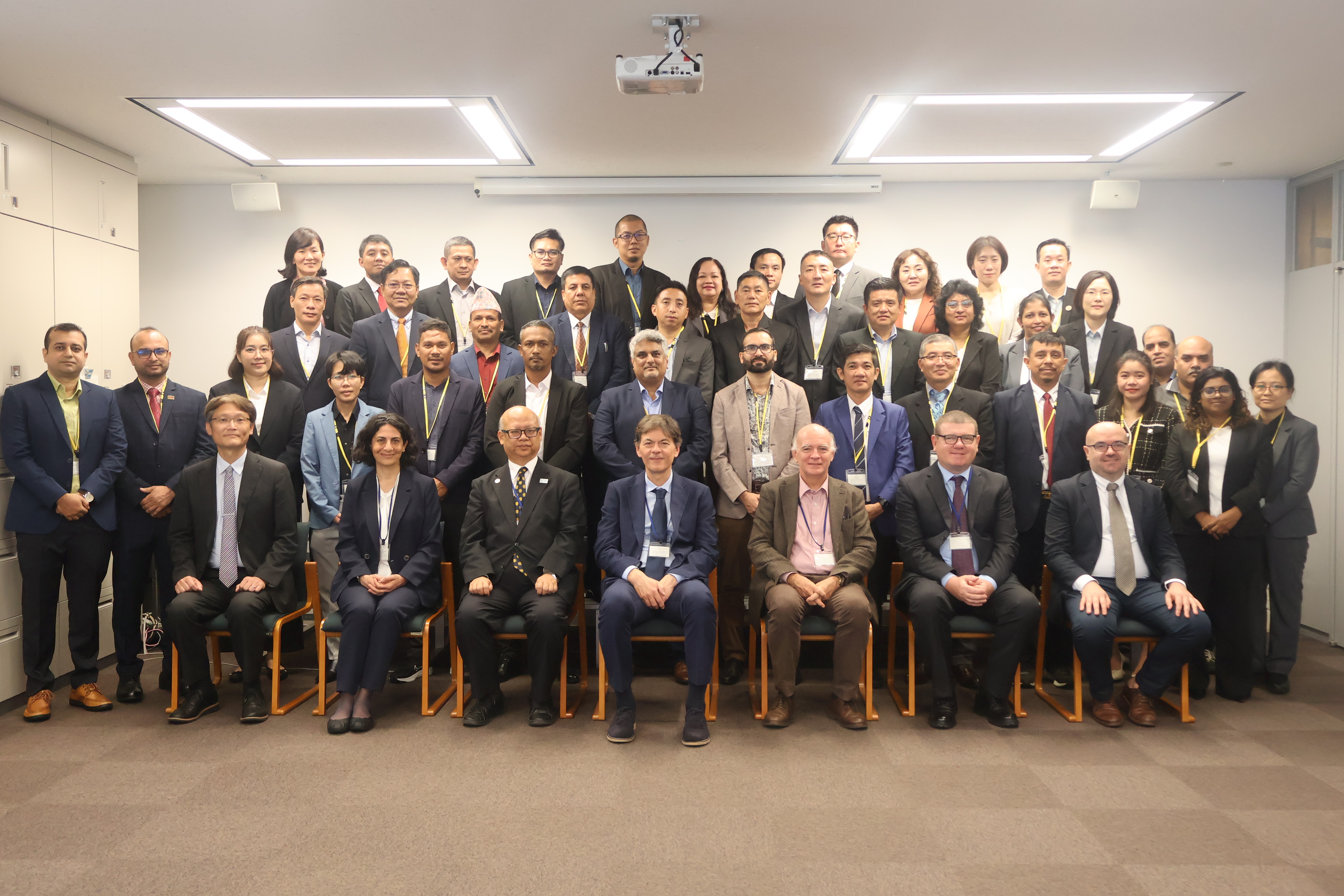
The workshop – organized by SIAP, the Statistical, Economic and Social Research and Training Centre for Islamic Countries (SESRIC), and the Organisation for Economic Co-operation and Development (OECD) – aimed to increase capacities of the national statistical systems to compile natural resources statistics in accordance with the System of National Accounts (SNA) and the System of Environmental-Economic Accounting (SEEA). Attended by 17 participants from 11 countries across the Asia-Pacific region, the workshop provided a combination of technical presentations, practical exercises, and country sharing of experiences in natural resource accounting and its subsequent integration into the national accounts.
|
|
|
e-Learning :Advanced Data Visualization for Official Statistics and SDG Indicators, 10 August- 11 September
The online course on Advanced Data Visualization for Official Statistics and SDG Indicators (10 August - 11 September 2026) brought together participants 400+ from across and outside the Asia-Pacific region to deepen their skills in communicating official statistics and SDG indicators through advanced data visualization techniques. The course combined webinars, hands-on exercises, peer learning, and practical applications covering topics such as high-dimensional data, uncertainty visualization, storytelling, and inclusive communication. A notable highlight was the peer-review exercise, which was a great success, resulting in 304 reports submitted and peer-reviewed. The course concluded with 224 certified learners from 19 countries, reflecting both the strong engagement of participants and the growing interest in effective and impactful data visualization.
|
|
|
Regional workshop on the Introduction to the 2025 System of National Accounts, 7-11 September, Daejeon, Republic of Korea
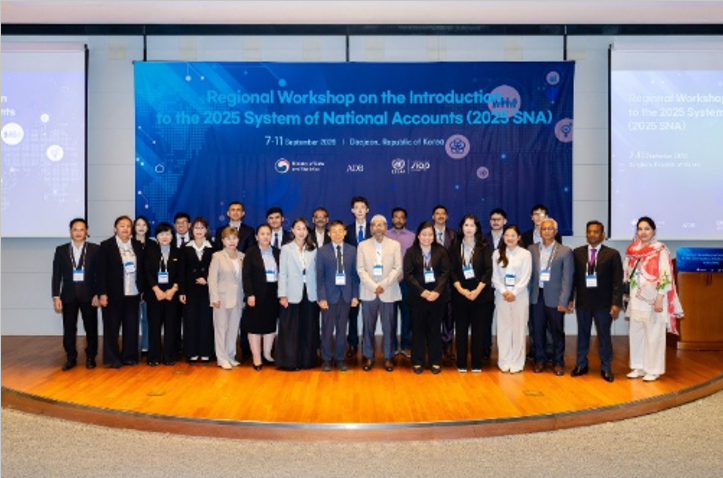
This workshop was organized by SIAP, the Asian Development Bank, and Republic of Korea’s Ministry of Data and Statistics-Data and Statistics Human Resource Development Institute. The workshop introduced the main changes to the 2008 SNA and implications of such changes to the statistical systems in Asia. It also served as a regional platform for knowledge exchange on developments in the national accounts framework, and planned approaches to implement the 2025 SNA. A total of 16 participants from 14 national statistics offices in the Asian region attended the workshop.
|
|
|
Automated processing of administrative trade statistics using R, 28 September – 1 October 2026, Suva, Fiji
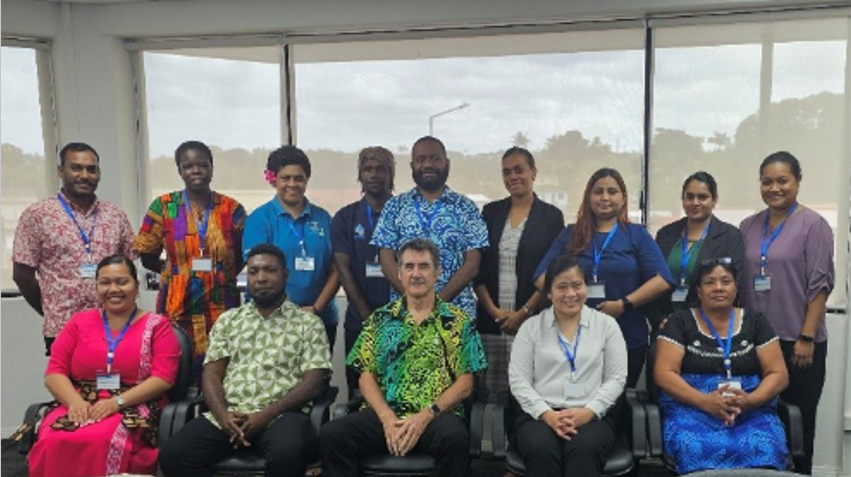
SIAP and the Pacific community organized a training to automate the processing of administrative trade statistics using R. This activity was attended by 9 participants from 6 countries where the R-based tool will be piloted. The training course adopted a hybrid format. A pre-requisite e-learning course was conducted on the basic use of R. The in-person component covered a combination of technical discussion, country presentation, and hands-on exercise on the R-based tool.
|
|
|
Regional Training Workshop on the Implementation of the International Recommendations for the 2030 Round of Population and Housing Censuses in Asia, Chiba, Japan | 28 September - 2 October 2026
Jointly organized by the Statistical Institute for Asia and the Pacific (SIAP), the United Nations Population Fund (UNFPA), the United Nations Statistics Division (UNSD), and ESCAP Statistics Division, this regional workshop brought together census experts from 19 countries across Asia to enhance national capacities for the 2030 round of population and housing censuses.
The workshop focused on implementing the Fourth Revision of the Principles and Recommendations for Population and Housing Censuses, with particular emphasis on modernizing census-taking. Several sessions focused on register-based census, highlighting the Self-Assessment Tool on Readiness to Use Administrative Data for Census (SATRAC) as a key resource. The event provided a valuable platform for sharing experiences and learning from peers.
|
|
|
Upcoming and Ongoing Events |
|
|
|
e-Learning:The International Recommendations on Refugee, IDP and Statelessness Statistics (e-Learning course) 17 Aug- 9 Oct
The course introduces the “International Recommendations on Refugee Statistics” (IRRS), the “International Recommendations on IDP Statistics” (IRIS) and the “International Recommendations on Statelessness Statistics” (IROSS). These sets of recommendations were endorsed by the United Nations Statistical Commission in 2018 (IRRS), 2020 (IRIS) and 2023 (IROSS), respectively. The course is spread over six substantive modules and provides details on the statistical framework for compiling refugee, IDP and stateless persons statistics. It introduces concepts, definitions, classifications and methodologies relevant to collecting, compiling, analyzing and disseminating data and indicators on refugees, IDPs and stateless persons, including Sustainable Development Goal (SDG) indicators. The course also includes information on data sources, institutional mechanisms, and coordination....here
| |
e-Learning:Processing food consumption data from household consumption and expenditure surveys (HCES), 31 August to 09 October 2026
Household consumption and expenditure surveys (HCES) have been typically undertaken to compile information for important macroeconomic indicators, such as consumer price indices, and to provide input into national accounts. With time, the use of HCES has been extended to welfare and poverty analysis, and more recently to food security and nutrition analysis. The food data collected in HCES provides core information for these types of analyses. This course aims to build capacities in countries to use such data for the food security and nutrition analysis....here
|
|
|
Consumer Price Index Compilation Methods, 05 to 09 October 2026, Chiba, Japan
CPIs measure changes over time in the general level of prices of goods and services that households acquire (use or pay for) for the purpose of consumption. In many countries, they were originally introduced to provide a measure of the changes in the living costs faced by workers, so that wage increases could be related to changing levels of prices. However, over the years, CPIs have widened their scope and now are widely used as a macroeconomic indicator of inflation...here
|
|
|
Data Governance, Innovation and Quality Assurance in a Changing Data Ecosystem, 13 to 16 October 2026, Chiba, Japan
The Workshop on Data Governance, Innovation and Quality Assurance in a Changing Data Ecosystem for the Asia-Pacific Region will take place from 13 to 16 October 2026 in Chiba, Japan. The workshop is jointly organised by the United Nations Statistics Division (UNSD) and the United Nations Statistical Institute for Asia and the Pacific (SIAP), with the support of the Office of the Director-General for Policy Planning on Statistical Policy, Ministry of Internal Affairs and Communications (MIC), Government of Japan. The workshop is also supported by the United Nations Development Account 18th tranche project, which will facilitate the participation of selected beneficiary countries in the Asia-Pacific region. The workshop will be conducted in English...here
|
|
|
Webinar Series on Monitoring Financial Protection in Health: Update on the Revision to SDG3.8.2
This webinar series is a follow-up to an initial multi-day/hybrid training which was conducted with nine Pacific Island Countries and Territories (PICs) in October 2023. However, given its relevance to PICs more broadly, the first webinar will be made available to a larger audience beyond the participants of the initial training to explain why the SDG 3.8.2 definition changed and its implications for measurement and monitoring....here
|
|
|
Training Workshop on the Global Disaster-Related Statistics Framework (G-DRSF)
20 to 22 October 2026, Chiba, Japan
The need for harmonized, high-quality disaster-related statistics has become increasingly critical as hazardous events and disasters of growing intensity and frequency pose greater risks to society. To support the production of high-quality disaster-related statistics, the Global Disaster-related Statistics Framework (G-DRSF) was endorsed by the United Nations Statistical Commission (UNSC) at its 57th Session in March 2026 as the first global statistical framework for the production of disaster-related statistics...here
|
|
|
Regional Workshop on Measuring the Sustainability of Tourism in Asia and the Pacific
26 to 29 October 2026, Chiba, Japan
The Statistical Framework for Measuring the Sustainability of Tourism (SF-MST) provides an integrated approach to assess tourism’s economic, environmental, and social dimensions. It provides a coherent structure for organizing data using common concepts, definitions, classifications, and reporting rules. The broad coverage of statistical topics in this framework facilitates discussion of tourism impacts and supports policymaking, including at local and destination level. It provides a consistent and comparable framing for the variety of measures relevant to comprehensively assess the sustainability of tourism. The SF-MST was endorsed by the United Nations Statistics Commission in 2024, at which time Member States also noted the need for capacity building to support its implementation...here
|
|
|
SBJ-SIAP Collaboration Webinar " Strengthening Statistical Literacy: Communicating Official Statistics More Effectively " 27 to 28 October 2026
The Statistics Bureau of Japan (SBJ) and the Statistical Institute for Asia and the Pacific (SIAP) will co-host a Webinar on Statistical Literacy on 27-28 October 2026. This webinar focuses on strengthening statistical literacy, which is essential for improving the accessibility, usability and reliability of official statistics, and for supporting more informed decision-making. The webinar aims to strengthen the capacity of NSOs to innovate and address these challenges. This collaboration with international partners is expected to provide valuable global perspectives and promote a broader exchange of knowledge....here
|
|
|
Regional Training on Data Visualization for Official Statistics and SDG Indicators
17 to 20 November 2026, Chiba, Japan
Recognizing the growing importance of effective statistical communication, the Statistical Institute for Asia and the Pacific (SIAP) is organizing a Regional Training on Data Visualization for Official Statistics and SDG Indicators. The training aims to strengthen the capacity of participants to design, create, evaluate, and communicate data visualizations that enhance the dissemination and use of Official Statistics and Sustainable Development Goal (SDG) indicators. The programme covers a broad range of topics, including visualization principles, graphical design, statistical maps, visualizing complexity, interactive graphics and data storytelling. A key theme running throughout the training is the importance of ethical and inclusive communication as data visualizations should avoid misleading interpretations, and remain accessible to diverse audiences...here
|
|
|
SIAP E-learning System
SIAP offers a range of e-learning courses across the domains of social, environment and economic statistics; data science; and statistical principles and methodologies. These courses are facilitated and supported by an expert in the field to the participants through regular communication in discussion box and through webinar(s) during the period of course delivery. A certificate is issued to successful participants completing the course after passing the prescribed examination.
|
|
|
|
|
|
|